Blogs

Elemental Impurity Risk Assessment vs Confirmatory ICP-MS Testing: When Do You Need Both?

Elemental Impurity Risk Assessment vs Confirmatory ICP-MS Testing: When Do You Need Both?

Elemental impurities remain a critical consideration in pharmaceutical quality systems because trace metal contaminants can affect product safety, regulatory compliance, and overall product quality. To manage these risks, pharmaceutical manufacturers are expected to follow the principles outlined in ICH Q3D, which provides a risk-based framework for evaluating and controlling elemental impurities. However, one of the […]
Continue Reading
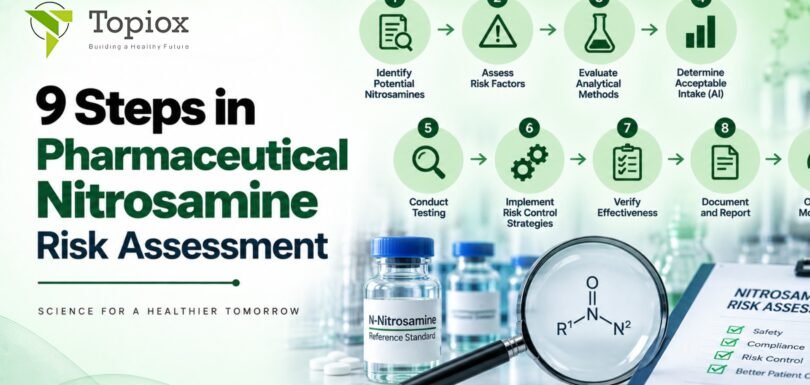
Nitrosamine Risk in Packaging and Storage: The Overlooked Source After Manufacturing

Nitrosamine Risk in Packaging and Storage: The Overlooked Source After Manufacturing

Nitrosamine impurities have become one of the most closely scrutinized classes of pharmaceutical contaminants due to their potential carcinogenic risk and increasing regulatory attention. Following several high-profile product recalls, pharmaceutical manufacturers have implemented extensive risk assessment and testing programs to identify and control potential sources of nitrosamine formation. Most discussions surrounding nitrosamines focus on manufacturing […]
Continue Reading
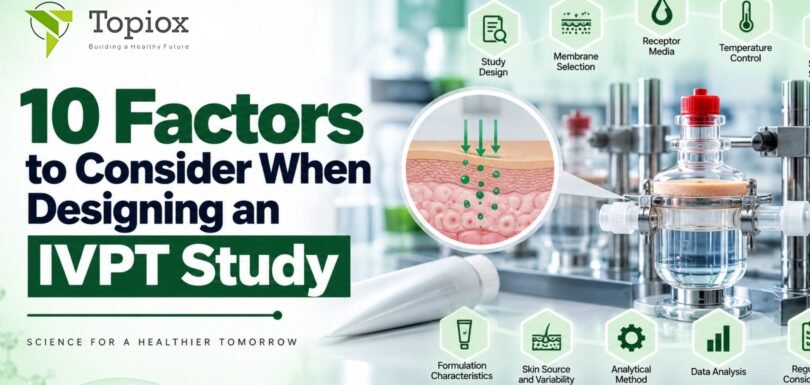
How Membrane Selection Affects IVPT Outcomes in Topical Drug Development

How Membrane Selection Affects IVPT Outcomes in Topical Drug Development

In Vitro Permeation Testing (IVPT) has become an essential tool in the development and evaluation of topical and transdermal drug products. By measuring the movement of an active pharmaceutical ingredient (API) across a membrane over time, IVPT helps scientists assess drug delivery performance, compare formulations, and support bioequivalence strategies. However, the reliability of IVPT data […]
Continue Reading
Pharmaceutical Polymer Synthesis for Controlled-Release Drug Delivery

Pharmaceutical Polymer Synthesis for Controlled-Release Drug Delivery

In controlled drug delivery, product performance depends as much on polymer behaviour as on the active ingredient itself. A drug may have the right pharmacology, but if the surrounding material system is not designed properly, the formulation may still fail to achieve its intended release profile, stability target, or therapeutic performance. This is where pharmaceutical […]
Continue Reading
How Excipient Design Shapes Stability and Drug Delivery

How Excipient Design Shapes Stability and Drug Delivery

In many pharmaceutical products, formulation success depends as much on excipient design as on the active ingredient itself. A drug candidate may show strong therapeutic potential yet still fail because the surrounding formulation environment is not designed to support its target quality and performance profile. This is where excipients become critically important. They do far […]
Continue Reading
Custom Excipient Synthesis for Complex Drug Formulations

Custom Excipient Synthesis for Complex Drug Formulations

Many promising drug candidates fail in formulation not because of weak pharmacology, but because standard excipients cannot support their development requirements. Modern pharmaceutical pipelines increasingly include molecules with poor aqueous solubility, low physical or chemical stability, limited bioavailability, incompatible processing behavior, or delivery constraints that conventional formulation systems struggle to address. In these cases, the […]
Continue Reading