Introduction: Understanding the Role of IVRT Testing in Topical Drug Development
In the evolving field of topical drug development, ensuring the efficacy and bioequivalence of products like creams, ointments, gels, and transdermal patches is essential for both regulatory approval and patient safety. One of the most important scientific techniques used in this process is In Vitro Release Testing (IVRT).
IVRT testing plays a pivotal role in evaluating how effectively a drug is released from a topical formulation. It is a critical part of the pharmaceutical development process, helping to predict the therapeutic performance of a product before clinical trials and supporting the regulatory submission process for approval.
At Topiox Research, we offer comprehensive IVRT testing services designed to meet global regulatory standards and provide scientifically valid data for topical drug formulations.
What is In Vitro Release Testing (IVRT)?
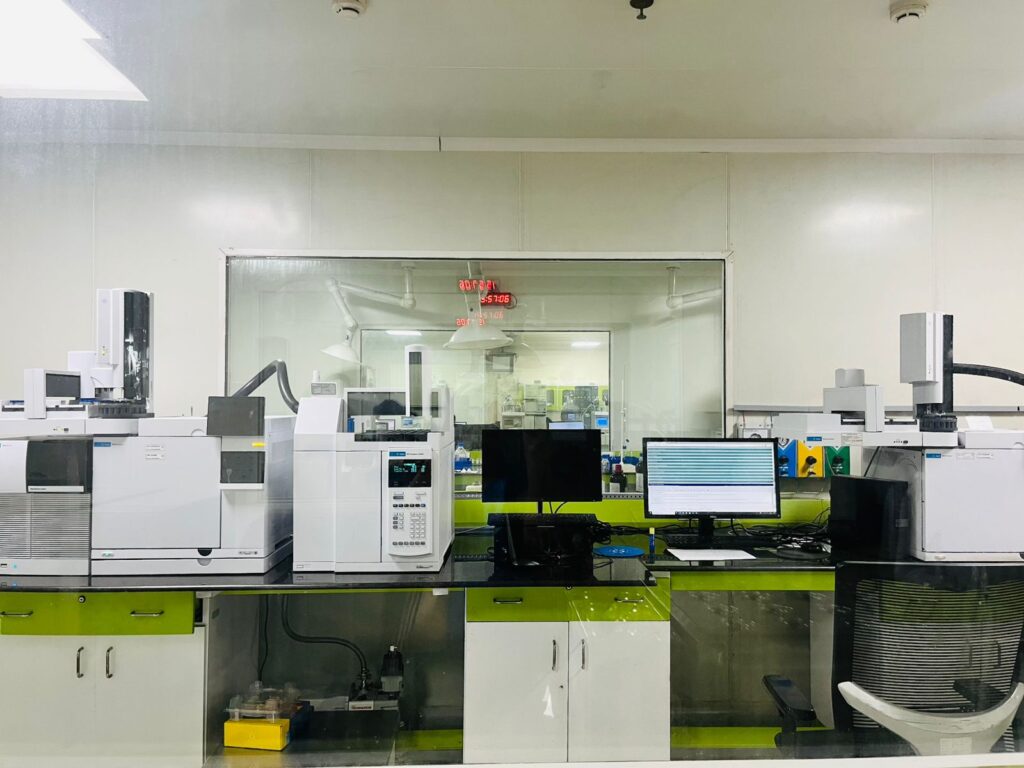
In Vitro Release Testing (IVRT) is an experimental procedure used to assess the drug release profile of topical formulations. The goal of IVRT is to simulate the drug’s behavior in the skin or a similar environment and measure how much of the active pharmaceutical ingredient (API) is released over a period of time. This test provides valuable data to predict bioavailability, therapeutic effectiveness, and overall formulation stability.
Key Components of IVRT Testing:
- Membrane Selection – Commonly, synthetic membranes or human skin (in cases where applicable) are used to mimic the stratum corneum (outer skin layer).
- Diffusion Cells – Franz diffusion cells are used to house the membrane and topical formulation, allowing researchers to simulate how the drug penetrates through the skin barrier.
- Sampling and Quantification – At designated time intervals, samples are collected from the receptor phase, and the drug concentration is measured using techniques like HPLC or UV-Vis spectroscopy.
- Release Kinetics – IVRT data helps determine the rate and extent of the drug release over time, which is crucial for dosing strategies and patient compliance.
The Role of IVRT Testing in Topical Drug Development
1. Supporting Formulation Optimization
IVRT testing is instrumental in formulation development. By evaluating the release rate of the drug from the topical formulation, formulation scientists can make informed decisions about excipient selection, viscosity, and drug load. This ensures that the formulation provides the desired therapeutic effect while being stable over time.
For example, IVRT can help determine whether a formulation’s rate of release is too fast or too slow, guiding modifications that lead to improved patient outcomes.
2. Ensuring Bioequivalence
Bioequivalence studies for generic topical drugs require evidence that the generic formulation performs similarly to the reference product. IVRT testing provides a scientifically validated method for comparing the drug release profiles of two products. Regulatory authorities like the FDA and EMA use IVRT data to assess whether a generic topical drug behaves similarly to its branded counterpart.
3. Regulatory Compliance
Regulatory agencies, including the FDA, EMA, and ICH, recognize IVRT testing as an essential part of the topical drug development process. It is especially important for products such as topical creams, ointments, and transdermal patches where in vivo testing may not always be feasible or ethical. In such cases, IVRT can serve as a reliable alternative for assessing therapeutic equivalence.
For topical formulations requiring bioequivalence studies, IVRT testing is often required as part of the ANDA (Abbreviated New Drug Application) submission.
4. Predicting Product Performance
IVRT testing also plays a vital role in predicting in vivo performance based on in vitro data. By analyzing the release rate of the active ingredient, manufacturers can predict how the formulation will perform in actual use and ensure consistent drug release at the target site. This is crucial for products such as transdermal patches where a consistent and controlled drug delivery is necessary for patient safety.
IVRT Testing at Topiox Research
At Topiox Research, we specialize in providing IVRT testing services that meet FDA and ICH standards. Our advanced laboratory techniques and scientific expertise enable us to conduct IVRT studies that are scientifically rigorous and fully compliant with regulatory guidelines.
Our IVRT Services Include:
- Custom Study Design: Tailored to your product’s formulation, including selection of appropriate membranes and receptor solutions.
- Diffusion Cell Setup: We utilize Franz diffusion cells and other state-of-the-art equipment to simulate real-world conditions.
- Data Analysis and Reporting: We provide detailed release profiles and statistical analysis to interpret the drug release behavior.
- Regulatory Support: Our testing results are formatted to support regulatory submissions, ensuring compliance with FDA and EMA guidelines for topical drug development.
Why Choose Topiox Research for IVRT Testing?
- Expertise: Our team of analytical scientists is highly experienced in IVRT testing for topical formulations.
- Regulatory Compliance: We follow FDA, EMA, and ICH guidelines, ensuring your product meets all regulatory requirements.
- Advanced Technologies: We use state-of-the-art diffusion systems and instrumentation for accurate and reliable data.
- Comprehensive Reporting: Our detailed reports provide you with actionable data and clear insights into your formulation’s drug release behavior.
Global Reach: Located in Navi Mumbai, we serve domestic and international pharmaceutical clients, delivering high-quality IVRT studies.
Conclusion
In Vitro Release Testing (IVRT) is a vital component of topical drug development, providing valuable insights into drug release behavior, supporting bioequivalence studies, and ensuring regulatory compliance.
At Topiox Research, we offer scientifically rigorous IVRT testing services that help pharmaceutical companies optimize their topical formulations for regulatory approval and market success.
FAQ’S